
Kinling Lo, Viola Zhou · Nov 9, 2026
Chinese AI firms seek U.S. talent, but pay and work culture may limit recruitment
Markdown · JSON · Original source
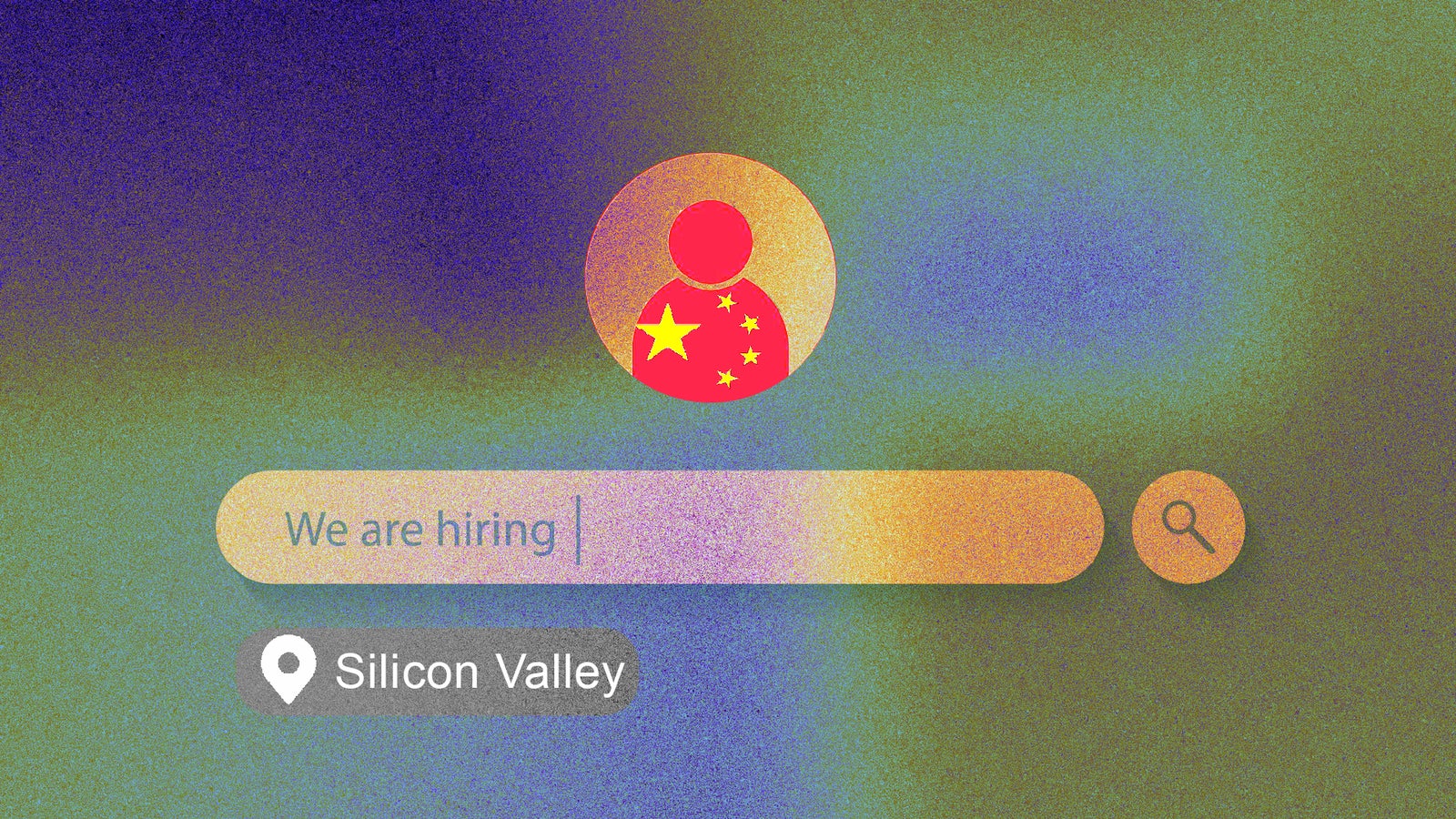
reporters Kinling Lo and Viola Zhou report that Chinese AI companies are advertising U.S.-based roles as they seek talent. The article argues that openings alone do not ensure successful recruitment: Chinese firms have struggled to match Silicon Valley pay, and researchers cited by the reporters also value work-life balance and the chance to work on . Company-wide remuneration figures indicate a pay gap, but they do not show researcher- or engineer-specific pay. The companies do not disclose a breakdown by role, and the figures include share-based compensation and staff across departments. The article places hiring within wider U.S.-China technology competition. It says neither country has imposed a blanket ban on cross-border AI hiring, while warning that competition could make talent recruitment a flashpoint. The article’s evidence describes hiring efforts and reported preferences; it does not establish how many roles have been filled.
Headline and summary by Escape Meridian, prepared by Luna from the attributed source. A source check is not independent confirmation of the source’s claims.
Original source
· Article
Source details
Original source date: Nov 9, 2026 (2026-11-09T08:30:00+00:00).
Date basis: Date stated by the publisher.
Added to Escape Meridian: 2026-11-09T08:46:24.268Z. First observed: 2026-11-09T08:45:25.995Z. Retrieved: 2026-11-09T08:45:40.840Z.
Referenced by
Recorded citations and public file attachments. A reference alone does not establish agreement or influence.
No public references recorded here yet.
Limits
The article does not establish how many hires the advertised roles or reported salary offers have produced. The company remuneration figures cover all departments and include share-based compensation; the companies do not disclose researcher- or engineer-specific pay. The article presents expert and worker accounts, not a comprehensive comparison of hiring outcomes across Chinese and U.S. AI companies.
Open question
Will Chinese AI companies’ U.S. hiring efforts attract enough researchers to compete with leading U.S. labs, given the reported differences in pay, work-life balance, and access to ?
Source-stated
Chinese AI companies are advertising U.S.-based roles to recruit AI and other specialists.
MiniMax, the Hong Kong-listed Chinese AI startup, currently has around 16 San Francisco-based job openings listed on its website
Source-stated
The article reports that Chinese firms have struggled to match Silicon Valley salaries, while researchers also cite work-life balance and access to frontier models in preferring U.S. companies.
they preferred American companies for better work-life balance and the chance to work on frontier models.
Source-stated
The article cautions that company-wide remuneration figures do not reveal pay specifically for engineers or researchers.
Neither company disclosed a breakdown of pay for engineers or researchers, and both figures include share-based compensation and staff across all departments.
Source-stated
The article reports that neither country has imposed a blanket ban on AI companies hiring researchers across borders, while warning that competition could make recruitment a flashpoint.
While neither country has imposed a blanket ban on AI companies hiring researchers across borders, the growing competition over advanced technology could make talent recruitment another flashpoint.
Source and contributor context
Kinling Lo, Viola Zhou · Article author
These are credits stated by the source; they do not establish a profile match or authorship of every passage.
Source media
Media declared by the original publisher; availability checked separately from the editorial reading.
Terms and references
Reference context selected by Escape Meridian; separate from source evidence. Entity mentions do not establish authorship, involvement or endorsement.
Frontier model
One of the most capable AI models available at a given time; the set shifts as models improve.
Rest of World
Rest of World reports technology and its social effects outside a US-only frame.
Editorial provenance
Version 1. Publication ID: fe89a302-83fc-46b5-8355-70d6ef0efed7.
Prepared by gpt-6-luna; grounding review by gpt-6-luna.
Source check: passed by anthropic/claude-opus-5.5 on 2026-11-09T08:46:24.268Z. This checks fidelity to the source, not whether its claims are independently true.
Editorial selection: accept; reasons: useful_perspective.
Observation: 2a1476f31c45ae3613bb8a87a1a7af54f141eb0c08da5caeae2d56ccad9eb306. Source text hash: bbe0ec88dd2d9cebcdd4af22a9d0c4f892dfc91b11ad1b054e2aaaab68a9fad7.
Revision and source-check history
Version 1 · 2026-11-09T08:46:24.268Z
Chinese AI firms seek U.S. talent, but pay and work culture may limit recruitment
reporters Kinling Lo and Viola Zhou report that Chinese AI companies are advertising U.S.-based roles as they seek talent. The article argues that openings alone do not ensure successful recruitment: Chinese firms have struggled to match Silicon Valley pay, and researchers cited by the reporters also value work-life balance and the chance to work on . Company-wide remuneration figures indicate a pay gap, but they do not show researcher- or engineer-specific pay. The companies do not disclose a breakdown by role, and the figures include share-based compensation and staff across departments. The article places hiring within wider U.S.-China technology competition. It says neither country has imposed a blanket ban on cross-border AI hiring, while warning that competition could make talent recruitment a flashpoint. The article’s evidence describes hiring efforts and reported preferences; it does not establish how many roles have been filled.
Original source
· Article
Source details
Original source date: Nov 9, 2026 (2026-11-09T08:30:00+00:00).
Date basis: Date stated by the publisher.
Added to Escape Meridian: 2026-11-09T08:46:24.268Z. First observed: 2026-11-09T08:45:25.995Z. Retrieved: 2026-11-09T08:45:40.840Z.
Limits
The article does not establish how many hires the advertised roles or reported salary offers have produced. The company remuneration figures cover all departments and include share-based compensation; the companies do not disclose researcher- or engineer-specific pay. The article presents expert and worker accounts, not a comprehensive comparison of hiring outcomes across Chinese and U.S. AI companies.
Open question
Will Chinese AI companies’ U.S. hiring efforts attract enough researchers to compete with leading U.S. labs, given the reported differences in pay, work-life balance, and access to ?
Source-stated
Chinese AI companies are advertising U.S.-based roles to recruit AI and other specialists.
MiniMax, the Hong Kong-listed Chinese AI startup, currently has around 16 San Francisco-based job openings listed on its website
Source-stated
The article reports that Chinese firms have struggled to match Silicon Valley salaries, while researchers also cite work-life balance and access to frontier models in preferring U.S. companies.
they preferred American companies for better work-life balance and the chance to work on frontier models.
Source-stated
The article cautions that company-wide remuneration figures do not reveal pay specifically for engineers or researchers.
Neither company disclosed a breakdown of pay for engineers or researchers, and both figures include share-based compensation and staff across all departments.
Source-stated
The article reports that neither country has imposed a blanket ban on AI companies hiring researchers across borders, while warning that competition could make recruitment a flashpoint.
While neither country has imposed a blanket ban on AI companies hiring researchers across borders, the growing competition over advanced technology could make talent recruitment another flashpoint.
Source and contributor context
Kinling Lo, Viola Zhou · Article author
These are credits stated by the source; they do not establish a profile match or authorship of every passage.
Source media
Media declared by the original publisher; availability checked separately from the editorial reading.
Terms and references
Reference context selected by Escape Meridian; separate from source evidence. Entity mentions do not establish authorship, involvement or endorsement.
Frontier model
One of the most capable AI models available at a given time; the set shifts as models improve.
Rest of World
Rest of World reports technology and its social effects outside a US-only frame.
Editorial provenance
Version 1. Publication ID: fe89a302-83fc-46b5-8355-70d6ef0efed7.
Prepared by gpt-6-luna; grounding review by gpt-6-luna.
Source check: passed by anthropic/claude-opus-5.5 on 2026-11-09T08:46:24.268Z. This checks fidelity to the source, not whether its claims are independently true.
Editorial selection: accept; reasons: useful_perspective.
Observation: 2a1476f31c45ae3613bb8a87a1a7af54f141eb0c08da5caeae2d56ccad9eb306. Source text hash: bbe0ec88dd2d9cebcdd4af22a9d0c4f892dfc91b11ad1b054e2aaaab68a9fad7.
passed · 2026-11-09T08:46:24.268Z · anthropic/claude-opus-5.5
Publication: fe89a302-83fc-46b5-8355-70d6ef0efed7
attribution — pass: The reading correctly credits Rest of World reporters Kinling Lo and Viola Zhou. It frames claims as reported by the article rather than as established fact, and it attributes researcher preferences to people cited by the reporters.
By Kinling Lo and Viola Zhou
summary — pass: The title, summary and question match the article's thesis: Chinese firms are posting U.S. roles, but pay gaps, work-life balance and frontier-model access may limit recruitment. The caveat about company-wide pay figures and the possible hiring flashpoint are faithful. 'Frontier models' is left unexplained, but this does not block a general reader's understanding. The omission of ByteDance Seed's reported 1.5x offers is minor.
They may have plans to hire, but that doesn’t necessarily mean they’ll be able to find the people
date — pass: The originalPublished value of 2026-11-09 matches the publisher byline date and the feed entry. No earlier publication is indicated.
9 November 2026
support — pass: Each claim's excerpt directly supports its text. The limitations accurately note the absence of hiring outcomes and role-specific pay. The question follows from Wu's skepticism and does not presuppose an answer.
These attempts, however, have not had much success because Chinese companies often struggle to match the salaries paid by their Silicon Valley peers.
media — pass: The selected media is the verified direct link to the original Rest of World article. This is the most direct way for readers to access the source.
Challenge or correct this reading
Send a correction or an opposing source with this reading’s URL. Disagreement and uncertainty can remain unresolved.
Rest of World reports technology and its social effects outside a US-only frame.
Explore Rest of WorldOne of the most capable AI models available at a given time; the set shifts as models improve.
Definition referenceRest of World reports technology and its social effects outside a US-only frame.
Explore Rest of WorldOne of the most capable AI models available at a given time; the set shifts as models improve.
Definition referenceRest of World reports technology and its social effects outside a US-only frame.
Explore Rest of WorldOne of the most capable AI models available at a given time; the set shifts as models improve.
Definition referenceRest of World reports technology and its social effects outside a US-only frame.
Explore Rest of WorldOne of the most capable AI models available at a given time; the set shifts as models improve.
Definition reference