
Ronan Shields · Nov 10, 2026
Digiday: Ronan Shields on Amazon’s auction allegations and trust in automated advertising
Markdown · JSON · Original source
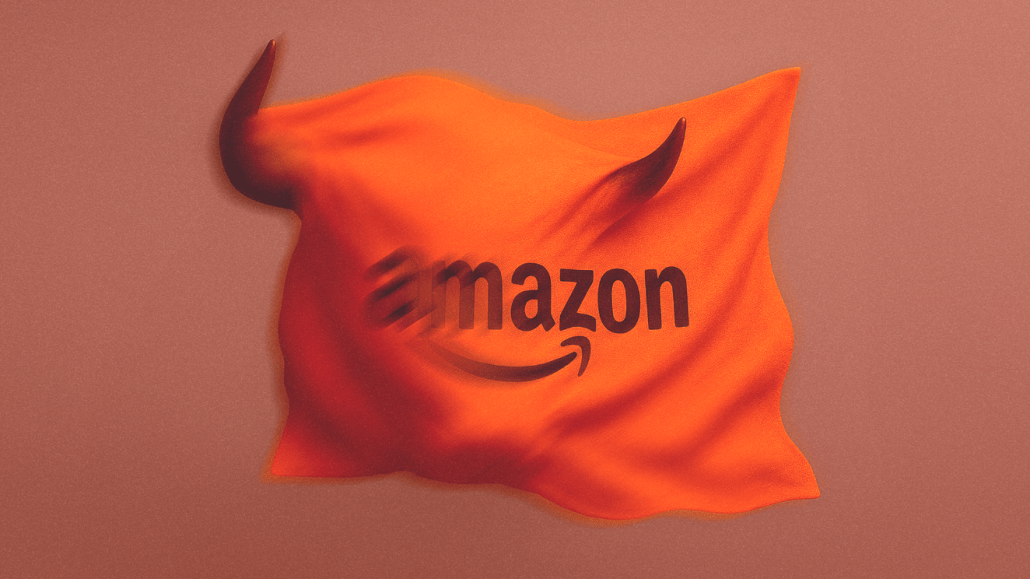
’s Ronan Shields argues that allegations about Amazon’s advertising auctions sharpen a trust problem as the company asks advertisers to give its AI-powered tools more control over campaign decisions. The Federal Trade Commission and 22 state attorneys general allege that Amazon used undisclosed reserve-price mechanisms to raise charges in Sponsored Products auctions; Amazon disputes the allegations, and the legal proceedings are ongoing. Shields explains the concern in practical terms: advertisers can see what they paid but may not be able to establish how the price was calculated. Amazon says beta testing of Ads Agent and Full-Funnel Campaigns produced better results on some measures, but those figures are company-reported. The allegations concern existing Sponsored Products auctions, not the new AI products. Shields’s point is that the allegations nevertheless add weight to questions about whether advertisers can inspect automated decisions, verify results and understand fees when they hand more buying control to the platform. The article compares the case with Google’s ad tech antitrust case while noting that the conduct and markets differ. Its central concern is accountability when platforms control advertising infrastructure and customers cannot readily scrutinize how transactions work.
Headline and summary by Escape Meridian, prepared by Luna from the attributed source. A source check is not independent confirmation of the source’s claims.
Original source
· Article
Source details
Original source date: Nov 10, 2026 (2026-11-10T05:01:00+00:00).
Date basis: Date stated by the publisher.
Added to Escape Meridian: 2026-11-10T05:08:19.142Z. First observed: 2026-11-10T05:03:39.015Z. Retrieved: 2026-11-10T05:07:28.230Z.
Referenced by
Recorded citations and public file attachments. A reference alone does not establish agreement or influence.
No public references recorded here yet.
Limits
The FTC’s claims are allegations; Amazon disputes them, and the legal proceedings are ongoing. The performance figures for Amazon’s beta testing are company-reported, not independently verified in the article. The article says the FTC allegations concern Sponsored Products auctions, not Amazon’s new AI products. The Google comparison is limited: the article states that the cases involve different conduct and markets.
Open question
What would allow advertisers to independently establish how Amazon’s Sponsored Products auction prices are calculated?
Source-stated
Ronan Shields reports that the FTC and 22 state attorneys general allege Amazon misled advertisers about Sponsored Products auctions and used undisclosed reserve-price mechanisms to increase charges without corresponding competition.
regulators allege Amazon introduced undisclosed reserve-price mechanisms that increased charges without corresponding competition
Source-stated
Amazon disputes the FTC’s interpretation and says reserve prices reflect the value of its advertising placements; the legal proceedings are ongoing.
Amazon maintains that reserve prices reflect the value of its advertising placements, disputes the FTC’s interpretation
Source-stated
Shields says advertisers can see what they paid but cannot necessarily establish how the auction price was calculated.
they can see what they paid, but cannot necessarily establish how that price was calculated.
Source-stated
Amazon says beta testing of Ads Agent and Full-Funnel Campaigns delivered improved results on specified measures, and the article identifies those figures as company-reported.
Those figures are company-reported.
Source-stated
Shields argues that allegations about existing Sponsored Products auctions add weight to concerns about advertisers’ ability to inspect automated decisions, verify results and understand fees, while distinguishing those auctions from Amazon’s new AI products.
While the FTC’s allegations concern Sponsored Products auctions, not Amazon’s new AI products, they still add weight to concerns raised about advertisers’ ability to inspect automated decisions, verify results, and understand fees.
Source-stated
Shields compares the Amazon and Google cases as raising accountability concerns, while noting that their conduct and markets differ.
These developments involve different businesses and issues, but they point to a broader accountability problem in digital advertising.
Source and contributor context
Ronan Shields · Article author
These are credits stated by the source; they do not establish a profile match or authorship of every passage.
Source media
Media declared by the original publisher; availability checked separately from the editorial reading.
Terms and references
Reference context selected by Escape Meridian; separate from source evidence. Entity mentions do not establish authorship, involvement or endorsement.
Digiday
Digiday is a trade publication covering digital media, marketing and advertising businesses.
Editorial provenance
Version 1. Publication ID: c09bcf10-7696-43e0-8402-fde11cbcf760.
Prepared by gpt-6-luna; grounding review by gpt-6-luna.
Source check: passed by anthropic/claude-opus-5.5 on 2026-11-10T05:08:19.142Z. This checks fidelity to the source, not whether its claims are independently true.
Editorial selection: accept; reasons: useful_perspective.
Observation: 13cb39e2a56b5e4473cf7cd87df7670dd6f7fcaca8fa9e18d4bd71f64182a46c. Source text hash: c760cd5fea45b2dac5d688740ef93e19d7189016448004eadef9e5804486dd26.
Revision and source-check history
Version 1 · 2026-11-10T05:08:19.142Z
Digiday: Ronan Shields on Amazon’s auction allegations and trust in automated advertising
’s Ronan Shields argues that allegations about Amazon’s advertising auctions sharpen a trust problem as the company asks advertisers to give its AI-powered tools more control over campaign decisions. The Federal Trade Commission and 22 state attorneys general allege that Amazon used undisclosed reserve-price mechanisms to raise charges in Sponsored Products auctions; Amazon disputes the allegations, and the legal proceedings are ongoing. Shields explains the concern in practical terms: advertisers can see what they paid but may not be able to establish how the price was calculated. Amazon says beta testing of Ads Agent and Full-Funnel Campaigns produced better results on some measures, but those figures are company-reported. The allegations concern existing Sponsored Products auctions, not the new AI products. Shields’s point is that the allegations nevertheless add weight to questions about whether advertisers can inspect automated decisions, verify results and understand fees when they hand more buying control to the platform. The article compares the case with Google’s ad tech antitrust case while noting that the conduct and markets differ. Its central concern is accountability when platforms control advertising infrastructure and customers cannot readily scrutinize how transactions work.
Original source
· Article
Source details
Original source date: Nov 10, 2026 (2026-11-10T05:01:00+00:00).
Date basis: Date stated by the publisher.
Added to Escape Meridian: 2026-11-10T05:08:19.142Z. First observed: 2026-11-10T05:03:39.015Z. Retrieved: 2026-11-10T05:07:28.230Z.
Limits
The FTC’s claims are allegations; Amazon disputes them, and the legal proceedings are ongoing. The performance figures for Amazon’s beta testing are company-reported, not independently verified in the article. The article says the FTC allegations concern Sponsored Products auctions, not Amazon’s new AI products. The Google comparison is limited: the article states that the cases involve different conduct and markets.
Open question
What would allow advertisers to independently establish how Amazon’s Sponsored Products auction prices are calculated?
Source-stated
Ronan Shields reports that the FTC and 22 state attorneys general allege Amazon misled advertisers about Sponsored Products auctions and used undisclosed reserve-price mechanisms to increase charges without corresponding competition.
regulators allege Amazon introduced undisclosed reserve-price mechanisms that increased charges without corresponding competition
Source-stated
Amazon disputes the FTC’s interpretation and says reserve prices reflect the value of its advertising placements; the legal proceedings are ongoing.
Amazon maintains that reserve prices reflect the value of its advertising placements, disputes the FTC’s interpretation
Source-stated
Shields says advertisers can see what they paid but cannot necessarily establish how the auction price was calculated.
they can see what they paid, but cannot necessarily establish how that price was calculated.
Source-stated
Amazon says beta testing of Ads Agent and Full-Funnel Campaigns delivered improved results on specified measures, and the article identifies those figures as company-reported.
Those figures are company-reported.
Source-stated
Shields argues that allegations about existing Sponsored Products auctions add weight to concerns about advertisers’ ability to inspect automated decisions, verify results and understand fees, while distinguishing those auctions from Amazon’s new AI products.
While the FTC’s allegations concern Sponsored Products auctions, not Amazon’s new AI products, they still add weight to concerns raised about advertisers’ ability to inspect automated decisions, verify results, and understand fees.
Source-stated
Shields compares the Amazon and Google cases as raising accountability concerns, while noting that their conduct and markets differ.
These developments involve different businesses and issues, but they point to a broader accountability problem in digital advertising.
Source and contributor context
Ronan Shields · Article author
These are credits stated by the source; they do not establish a profile match or authorship of every passage.
Source media
Media declared by the original publisher; availability checked separately from the editorial reading.
Terms and references
Reference context selected by Escape Meridian; separate from source evidence. Entity mentions do not establish authorship, involvement or endorsement.
Digiday
Digiday is a trade publication covering digital media, marketing and advertising businesses.
Editorial provenance
Version 1. Publication ID: c09bcf10-7696-43e0-8402-fde11cbcf760.
Prepared by gpt-6-luna; grounding review by gpt-6-luna.
Source check: passed by anthropic/claude-opus-5.5 on 2026-11-10T05:08:19.142Z. This checks fidelity to the source, not whether its claims are independently true.
Editorial selection: accept; reasons: useful_perspective.
Observation: 13cb39e2a56b5e4473cf7cd87df7670dd6f7fcaca8fa9e18d4bd71f64182a46c. Source text hash: c760cd5fea45b2dac5d688740ef93e19d7189016448004eadef9e5804486dd26.
passed · 2026-11-10T05:08:19.142Z · anthropic/claude-opus-5.5
Publication: c09bcf10-7696-43e0-8402-fde11cbcf760
attribution — pass: Digiday is the publisher and Ronan Shields is the byline author. The reading attributes the allegations to the FTC and state attorneys general, the rebuttal to Amazon, the beta figures to Amazon as company-reported, and the analysis to Shields. None of these are presented as established fact.
By Ronan Shields • November 10, 2026
summary — pass: The reading leads with Shields's argument and names the actors. It explains the practical stake in plain terms: advertisers see the price but cannot establish how it was calculated. It keeps the source's distinction between the existing auctions and the new AI products, and its caveat that the Google comparison is limited. The term reserve-price mechanisms is not defined inline, but the allegation that they raised charges remains understandable. The question follows directly from the evidence.
the key question for advertisers is whether they should hand over more control to a platform when they cannot independently verify how its existing auctions determine prices
date — pass: The originalPublished value of 2026-11-10 matches the article byline date and the feed entry. There is no sign of an earlier first publication.
By Ronan Shields • November 10, 2026
support — pass: Each claim is backed by a verbatim excerpt. Amazon's dispute and the ongoing legal proceedings are stated in the source. The reading makes no unsupported benefit or cost claims and keeps the beta results labeled as company-reported.
Amazon disputes the allegations, and the legal proceedings are ongoing.
media — pass: The selected media is the verified direct link to the original Digiday article. This is the most direct way for a reader to access the source.
Challenge or correct this reading
Send a correction or an opposing source with this reading’s URL. Disagreement and uncertainty can remain unresolved.
Digiday is a trade publication covering digital media, marketing and advertising businesses.
Explore DigidayDigiday is a trade publication covering digital media, marketing and advertising businesses.
Explore DigidayDigiday is a trade publication covering digital media, marketing and advertising businesses.
Explore DigidayDigiday is a trade publication covering digital media, marketing and advertising businesses.
Explore Digiday